Cold chain logistics is the temperature–controlled network that keeps biological and pharmaceutical products within their required range from the moment they're produced or collected until they reach the lab, clinic, or patient. For biotech and pharma, it's a part of the product's quality profile. A vaccine, cell therapy, or biological sample that spends even a few hours outside its labeled range can lose potency or become unusable, regardless of how well it was packaged at the start.
What Is Cold Chain Logistics
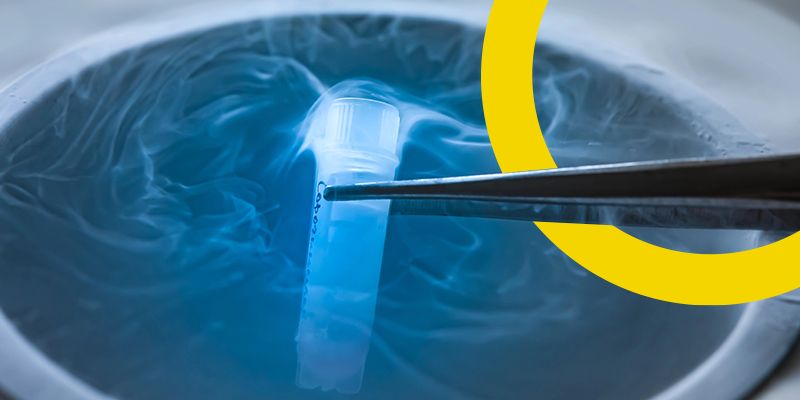
At its core, cold chain logistics means keeping a product inside a defined temperature band across every handoff: manufacturing, storage, transport, and final delivery. That band depends entirely on what's being shipped. Vaccines and many biologics are typically kept at 2 to 8°C, frozen products sit around minus 20°C, deep–frozen or dry–ice shipments run near minus 70°C, and cryogenic materials like cell and gene therapy products or reproductive biomaterials need temperatures below minus 150°C. The "chain" part of the name matters as much as "cold": a single unmonitored gap anywhere in the journey, a delayed loading dock, an uninsulated transfer, can undo everything that came before it.
How It Works: Ranges and Logging
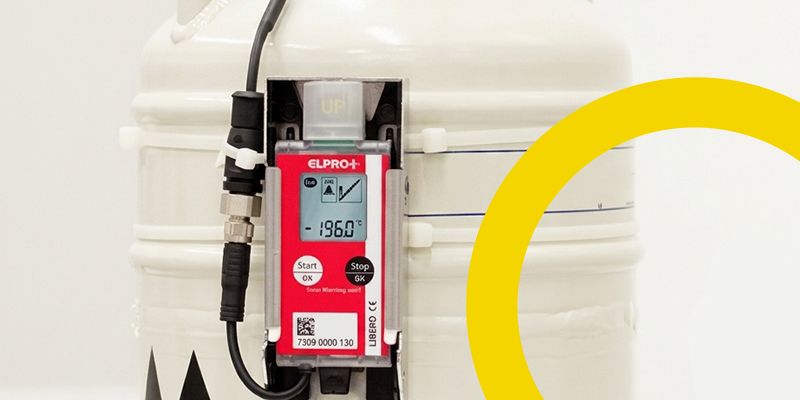
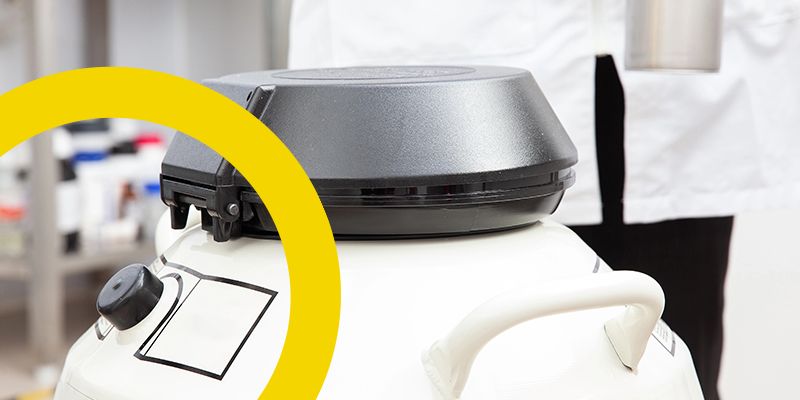
A compliant cold chain runs on two things working together: qualified equipment and continuous documentation. Products move through validated refrigerated trucks, insulated shippers, or cryogenic dry shippers, each pre–qualified to hold its target range for a defined duration. Alongside the physical packaging, electronic temperature data loggers, single–use or reusable, travel with the shipment and record a time–temperature history for every leg of the journey. On higher–value or higher–risk shipments, these loggers often include GPS and real–time cellular reporting, so a deviation triggers an alert before the product ever arrives.
This record isn't just for troubleshooting; it's the documentation regulators expect to see if a shipment's integrity is ever questioned. At the receiving end, the same discipline has to continue: checking the logger record before accepting the product, inspecting for physical signs of a temperature failure, and logging receipt right away rather than letting a temperature–sensitive shipment sit unmonitored while other tasks get handled first.
Cold Chain Logistics for Pharma and Biologics
For pharma and biotech specifically, cold chain logistics operates inside a formal regulatory framework, not just best practice. Good Distribution Practice (GDP) guidelines from bodies like the FDA and EMA govern how temperature–sensitive drugs and biologics must be stored and transported, and they require qualified transport lanes, mapped and monitored storage, documented chain–of–custody, and formal procedures for handling any excursion.
This matters even more for biologics, cell and gene therapies, and other advanced products, where the material itself is often irreplaceable and a single failed shipment can mean a lost clinical sample or a delayed patient treatment, not just a financial loss. ARK.CRYO works with pharma and biotech partners on exactly this kind of shipment, and our pharma delivery services are built around the validated packaging, continuous monitoring, and documentation this sector requires.
Cold Chain Failures and How to Prevent Them
Most cold chain failures trace back to a handful of recurring causes: a shipper that wasn't validated for the actual duration of transit, a customs delay that outlasted the packaging's holding time, a receiving team that left a shipment on a loading dock instead of logging it in immediately, or a data logger that wasn't checked until well after arrival. Preventing these failures comes down to matching the packaging to the real–world journey, not just the ideal one; building in a time buffer for delays; and treating the temperature log as a required step on arrival, not an afterthought.
Partnering with a logistics provider that specializes in the specific temperature band a shipment needs, rather than a general carrier offering cold packaging as an add–on, is usually what separates a cold chain that holds from one that doesn't.
Frequently Asked Questions
1. What temperature range counts as cold chain?
It depends on the product. Refrigerated cold chain is typically 2 to 8°C, frozen is around minus 20°C, deep–frozen or dry–ice shipments run near minus 70°C, and cryogenic shipments stay below minus 150°C
2. What's the difference between cold chain and regular refrigerated shipping?
Cold chain requires continuous, documented temperature control and monitoring at every stage, while regular refrigerated shipping may only keep a product cool without formal validation or a time–temperature record.
3. Who regulates pharma cold chain logistics?
Agencies including the FDA and EMA set Good Distribution Practice guidelines, alongside international standards bodies that publish packaging, handling, and monitoring requirements for temperature–sensitive products.
4. What happens if a shipment goes outside its temperature range?
This is called a temperature excursion. Depending on how far outside the range and for how long, the product may need to be quarantined, tested for stability, or discarded, based on its specific stability data.
5. Do all biologics need cold chain shipping?
Most do, since biologics are typically sensitive to temperature fluctuations, though the exact range varies by product, from standard refrigeration for many drugs to deep–cryogenic storage for cell and gene therapies.