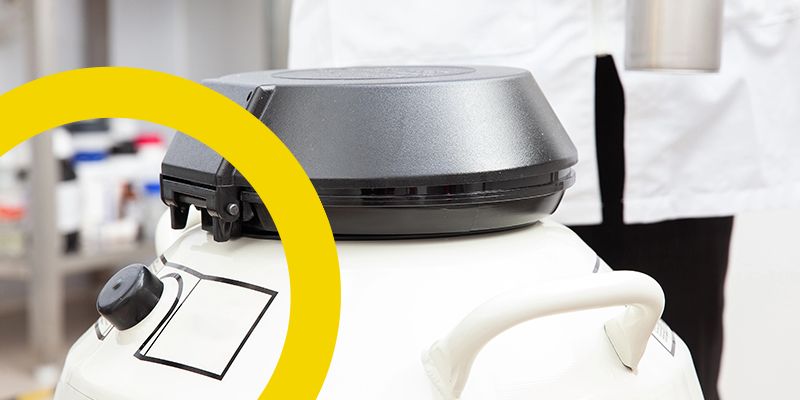
Temperature-controlled shipping is any transport method built to keep a product within a specific temperature range from pickup to delivery, rather than relying on ambient conditions along the way. It covers everything from a refrigerated truck moving produce across a state to a cryogenic container carrying a biological sample across an ocean. What ties these together isn't the mode of transport; it's the fact that the product's condition on arrival depends on holding a defined range the whole way, not just packing it cold at the start and hoping.
What Is Temperature-Controlled Shipping
At its simplest, temperature-controlled shipping means the packaging, vehicle, or container is actively managing temperature throughout transit, not just insulating against it. A cooler with an ice pack slows heat gain; it doesn't hold a temperature. True temperature-controlled shipping uses validated packaging or refrigeration systems designed to keep a product inside its required band for a known duration, even as the outside environment changes, whether that's a hot tarmac, an unheated cargo hold, or a multi--day customs delay.
This distinction matters most for anything with a narrow tolerance for temperature swings: pharmaceuticals, biological samples, certain foods, and specialty chemicals all behave differently once they drift outside their intended range, sometimes in ways that aren't visible until it's too late.
Temperature Ranges in Controlled Shipping
The right shipping method depends entirely on what's being moved, since different products need very different bands. Controlled room temperature typically sits around 15 to 25°C, used for many general pharmaceuticals and consumer goods that just need protection from extreme heat or cold. Refrigerated shipping usually targets 2 to 8°C, common for vaccines, certain biologics, and perishable food. Frozen shipping holds around minus 20°C, while deep-frozen shipments using dry ice run closer to minus 70°C for products like some cell therapies and specialty reagents.
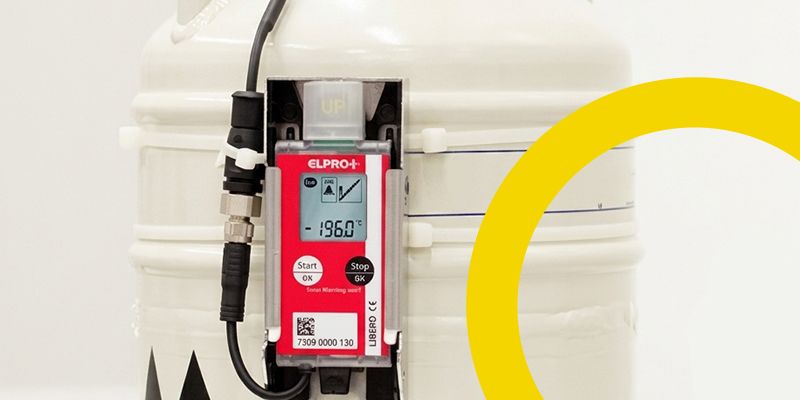
At the coldest end, cryogenic shipping keeps materials below minus 150°C using liquid nitrogen vapor, the range required for reproductive biomaterials, certain cell and gene therapies, and other samples that can't tolerate any thaw. Choosing the wrong range for a product, even a few degrees off, can be as damaging as no temperature control at all.
Monitoring: Loggers and Reports
Holding a temperature range only matters if there's proof it actually happened, which is where monitoring comes in. Most temperature-controlled shipments travel with an electronic data logger, either single-use or reusable, that records the internal temperature at set intervals for the entire journey. On higher-value or time-sensitive shipments, these loggers often add GPS tracking and cellular reporting, sending an alert the moment a reading drifts outside the approved range rather than waiting until the shipment lands
Once the product arrives, the logger data gets pulled into a report showing the full time-temperature curve, which the receiving party can check against the product's approved range before accepting it. For regulated industries, this report isn't optional paperwork; it's the record that proves the shipment stayed within spec, and it's often required before a pharmaceutical, biologic, or clinical sample can even be used or dosed.
Common Use Cases for Temperature-Controlled Shipping
Temperature-controlled shipping shows up anywhere a product's value or safety depends on staying within a set range. Pharmaceutical and biotech companies rely on it for vaccines, biologics, and clinical trial materials, where a failed shipment can mean a lost batch or a delayed trial. Fertility clinics and reproductive medicine providers use cryogenic shipping specifically for eggs, sperm, and embryos, where even a brief temperature lapse can end a sample's viability entirely.
Food and beverage companies depend on it for anything perishable, from seafood to dairy. Chemical and industrial sectors use it for temperature-sensitive reagents and specialty compounds that degrade or become unstable outside their intended range. Across all of these, the common thread is the same: the shipping method has to match the product's actual sensitivity, not just its general category.
Frequently Asked Question
1. What's the difference between insulated and temperature-controlled shipping?
Insulated shipping slows temperature change but doesn't actively hold a specific range, while temperature-controlled shipping uses validated packaging or refrigeration designed to maintain a defined band for a known duration.
2. How long can temperature-controlled packaging hold its range?
It depends entirely on the packaging type and target temperature, ranging from a day or two for basic insulated coolers to several weeks for high-performance cryogenic containers.
3. Do all temperature-controlled shipments need a data logger?
Not always, but any regulated or high-value shipment, such as pharmaceuticals, biologics, or clinical samples, typically requires one to document that the product stayed within its approved range.
4. What happens if a shipment goes outside its temperature range?
This is called a temperature excursion. Depending on severity and duration, the product may need testing, quarantine, or disposal, based on its specific stability profile.
5. Is cryogenic shipping the same as temperature-controlled shipping?
Cryogenic shipping is a specific, extreme-cold category of temperature-controlled shipping, used for materials that need to stay below roughly minus 150°C rather than simply refrigerated or frozen.