Moving frozen embryos to a clinic in another country is common, whether you're relocating, changing providers, or heading to a surrogacy program abroad. It's also a process with more moving parts than most people expect: two clinics that have to agree, a courier that has to keep the sample at cryogenic temperature the whole way, and customs authorities in between. This guide walks through how shipping frozen embryos internationally works from start to finish, what paperwork to prepare, and what it realistically costs.
Overview: Shipping Frozen Embryos Internationally
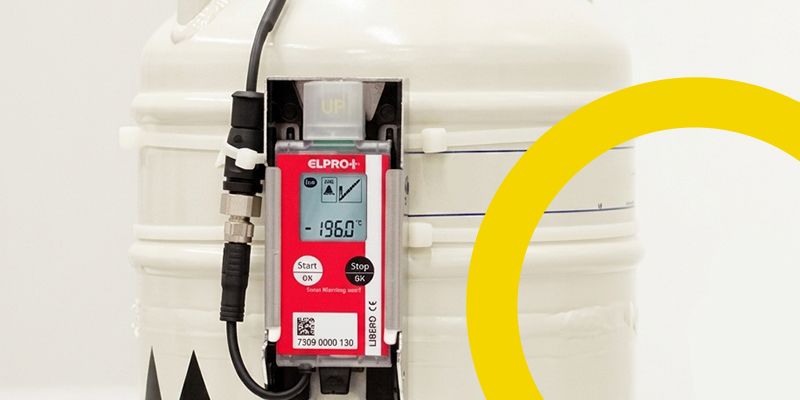
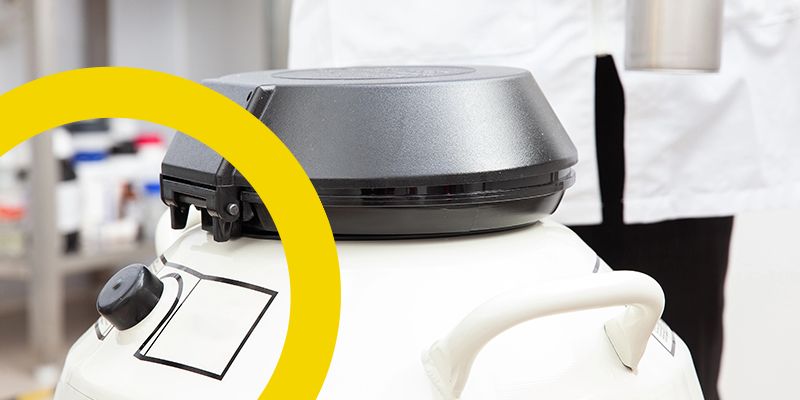
Yes, frozen embryos can be shipped across borders, provided both clinics agree to the transfer and the shipment follows the legal rules of each country involved. The embryos stay in the sending clinic's storage until a specialist courier collects them in a cryogenic container, which holds them in nitrogen vapor at temperatures well below −150°C during transit.
Handled correctly, transport doesn't reduce an embryo's ability to result in a pregnancy after thawing, which is why the priority is a validated container and a well-planned route rather than speed alone. The one rule that never changes: the receiving clinic has to confirm it will accept the embryos before anything ships.
Cross-Border Process: Release, Customs, Delivery
The process usually follows three stages. First comes the release: you notify the sending clinic, which checks your consent forms, prepares its release documentation, and pulls together records on the embryos, including grading, freezing method, and storage details.
At the same time, the receiving clinic reviews those records and confirms in writing that it will take the embryos, and in some countries it also needs its own import authorization before that can happen. Second is customs, the stage most likely to cause delays. Embryos are classified as biological material, so both export and import clearance apply, along with any permits the destination country requires. A courier experienced in the route will usually manage this paperwork or at least tell you exactly what's missing, since an incomplete document is the most common reason a shipment stalls at the border. Third is delivery. Once cleared, the container travels to the receiving clinic, where staff check the embryo inventory against the paperwork, inspect the container and its temperature record, and move the embryos into their own storage. Only after that check does the shipment count as complete.
Documents You'll Need
Exact requirements vary by clinic and country, so it's worth asking both clinics for their checklist early. In most cases the set includes signed consent and release forms from the sending clinic, and an embryo inventory listing how many embryos there are, their developmental stage and grading, and PGT-A results if testing was done. The receiving clinic will typically also ask for the freezing method and the lab's thawing protocol, plus infectious-disease screening records for the egg and sperm sources where donor gametes were used.
For international routes, add export and import permits, a customs declaration for biological material, and any proof of authorization the receiving country requires. Surrogacy adds one more check: some destination clinics, including many in the US, may request supplemental screening if the original tests didn't meet their own donor-eligibility standards, which can add time if it comes up late.
Cost and Timelines
The price of shipping frozen embryos internationally depends first of all on the route. Within Europe, delivery with ARK.CRYO typically runs from about €1,630 to €3,335, while intercontinental routes cost more because of longer distances and heavier customs handling. The final figure also reflects the validated cryogenic container, documentation support, and any express or hand-carry option added to the shipment, so the reliable way to budget is to request a route-specific quote and check exactly what it covers. Below is indicative pricing for a few popular routes; for rates and delivery times across every destination we serve, see here.
| Destination | Delivery cost | Estimated duration |
|---|---|---|
| Europe ⇆ Europe | €1,630–3,335 | 2–5 days |
| Europe ⇆ Asia | €4,100–7,425 | 2–5 days |
| Europe ⇆ Canada | $3,650–7,255 | 2–5 days |
| The USA ⇆ Europe | $3,650–7,255 | 2–5 days |
| The USA ⇆ Latin America | $3,600–6,750 | 2–5 days |
| Australia ⇆ Europe | €3,600–7,965 | 4–10 days |
Timelines split into two parts. The physical transit is short, usually 2 to 5 days on most routes and up to 10 on the longest ones, such as Australia to Europe. Preparation is what takes longer: clinic coordination, consent checks, and permits commonly stretch the whole process to two to six weeks from first request to arrival, depending on how quickly both clinics respond.
That's why it pays to start the paperwork early, well before you need the embryos at the destination clinic.
Frequently Asked Questions
1. Is it safe to ship frozen embryos internationally?
Yes, when it's done by a specialist courier using a validated cryogenic container. Correctly handled transport doesn't reduce an embryo's ability to lead to a pregnancy after thawing.
2. Can I ship embryos myself or through a regular courier?
No. Embryos need a specialist medical courier with cryogenic equipment, since standard carriers can't guarantee the temperature control or documentation these shipments require.
3. Does the receiving clinic have to approve the transfer?
Yes. The receiving clinic must confirm in advance that it will accept embryos from the sending clinic, and it may set its own documentation requirements.
4. How long does international embryo shipping take?
Transit itself usually takes 2 to 5 days on most routes and up to 10 on the longest, but preparation, including consent checks, permits, and clinic coordination, typically brings the total to around two to six weeks.
5. What happens if the shipment is delayed at customs?
A properly charged cryogenic container holds its temperature for days, which gives a buffer against customs delays. This is why choosing a courier with experience on your specific route matters.