Not every cryo transport company handles a shipment the same way, and the difference usually only becomes obvious when something goes wrong: a delayed customs clearance, a container that wasn't validated for the actual transit time, a missing document that stalls a shipment at the border. Choosing a provider before that happens, rather than after, is what separates a smooth shipment from a stressful one. Here's what actually distinguishes cryo transport companies from each other, and how to tell the difference before you book.
What to Look For
The baseline for any cryo transport company is straightforward: validated equipment, documented handling protocols, and real experience specifically with biological or reproductive materials, not general cold-chain cargo. A provider that mainly ships frozen food or industrial chemicals may own the right equipment on paper without having the specific expertise that reproductive or clinical samples require, from proper container charging to chain-of-custody documentation that regulators and receiving clinics expect to see. Look for a company that publishes or can clearly explain its container holding times, its handling procedures at each transfer point, and its track record with the exact type of shipment you need, whether that's domestic clinic-to-clinic transport or international shipments requiring export and import permits.
Comparison Criteria
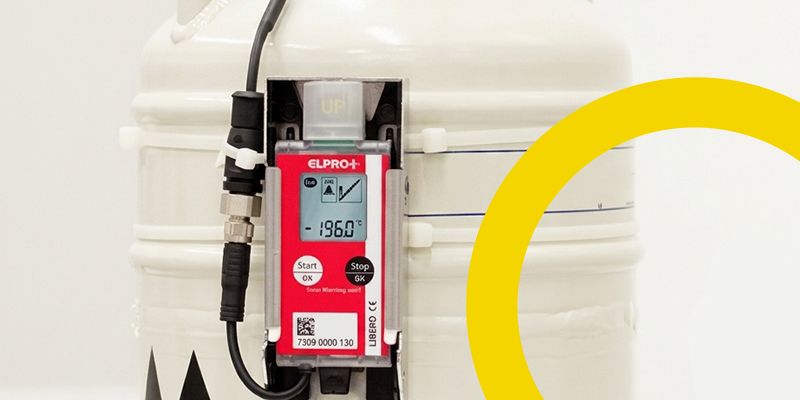
When comparing providers directly, a few criteria matter more than the rest. Container validation is one: ask whether the specific container type has documented holding times for the route and duration involved, not just a general spec sheet. Monitoring is another: does the shipment travel with a temperature data logger, and is that data available to you after delivery, not just promised verbally. Route experience matters too, since a company that regularly ships your specific origin-destination pair will already know the customs quirks and typical transit times, while one shipping that route for the first time is learning on your shipment. Finally, compare how each company handles documentation: some manage export and import paperwork end to end, while others expect the clinic or recipient to arrange permits independently, and that difference can add days to a shipment if you're not prepared for it.
Questions to Ask Before You Book
A short list of direct questions tends to reveal more than a sales pitch. Ask how long the specific container being used can hold temperature, and whether that number reflects real testing or a manufacturer's general claim. Ask what happens if the shipment is delayed at customs: does the company monitor it, and is there a documented contingency plan, or does responsibility shift entirely to you once it's in transit. Ask whether a temperature data logger travels with every shipment as standard, or only on request. Ask for references or case studies involving the same type of material and the same general route. And ask directly what's included in the quoted price versus what shows up as an add-on later, since container deposits, customs handling, and documentation fees aren't always itemized upfront.
Red Flags
A few signs are worth treating as immediate caution, not minor inconveniences. A company that can't clearly state how long its container holds temperature, or gives a vague answer instead of a specific figure, likely hasn't validated it properly. So does a provider unwilling to share tracking or temperature data after delivery, since that data is exactly what proves the shipment stayed within range. Be cautious of pricing that seems unusually low compared to competitors handling the same type of shipment, since cryogenic transport has real fixed costs, and a price that doesn't reflect them often means corners are being cut somewhere in the process. And treat vague answers about customs and import documentation as a warning sign rather than a minor gap, since that's precisely where international shipments most often break down.
| Criterion | Question to Ask | Good Sign | Red Flag |
|---|---|---|---|
| Container validation | How long can this exact container hold temperature for my route? | Gives a specific, tested number tied to the container type and duration | Vague answer or generic manufacturer spec with no route-specific data |
| Temperature monitoring | &Does a data logger travel with every shipment, and can I see the report after delivery? | Logger included as standard, report shared automatically or on request | Logger only "on request," or data isn't shared after delivery |
| Route experience | Have you shipped this exact origin-destination pair before? | Can point to a track record on that specific route, including known customs quirks | No prior experience on the route, learning it on your shipment |
| Documentation handling | Who manages export and import permits, customs declarations, and chain-of-custody paperwork? | Company manages it end to end as part of the service | Recipient or sender is expected to handle permits independently |
| Pricing transparency | What's included in the quote, and what shows up as an add-on later? | Full breakdown upfront: shipping, container deposit, customs fees | Price seems unusually low with no itemized breakdown |
| Delayed shipment protocol | What happens if my shipment is stuck at customs? | Documented contingency plan and active monitoring during delays | No clear plan; responsibility shifts to you once it's in transit |
Frequently Asked Questions
1. What's the difference between a general courier and a specialized cryo transport company?
A general courier may offer cold packaging as an add-on, while a specialized cryo transport company uses validated cryogenic containers, documented handling protocols, and staff experienced specifically with biological or reproductive materials.
2. How much does cryo transport typically cost compared to standard shipping?
Cryo transport generally costs significantly more than standard shipping, since it requires specialized containers, validated packaging, and often expedited routing to stay within the container's holding time.
3. Should I choose a provider based on price alone?
No. The cheapest option often cuts costs on validation, monitoring, or documentation handling, any of which can put a shipment's viability at risk in ways that aren't obvious until after delivery.
4. What documentation should a cryo transport company handle for me?
This varies by provider, but a full-service company typically manages export and import permits, customs declarations, and chain-of-custody paperwork, rather than leaving that entirely to the sender or recipient.
5. How do I know if a container was properly validated for my shipment?
Ask the provider for the container's documented holding time for your specific route and duration, along with confirmation that it was fully charged and checked before dispatch.