Once you’ve chosen a donor, the sperm itself still has to get from a cryobank freezer to the place where it will actually be used, a fertility clinic, or your own kitchen table. That journey is what shipping donor sperm really means, and how it’s handled affects everything from sample viability to your treatment timeline. This guide walks through how the process works, what to expect at each stage, and what it typically costs.
What Is Donor Sperm Shipping
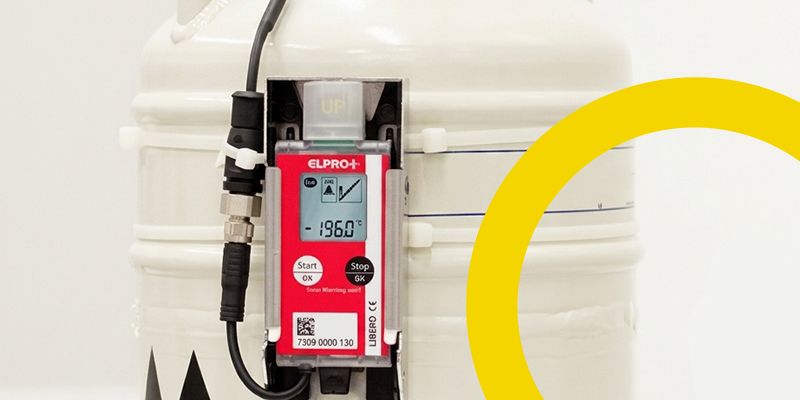
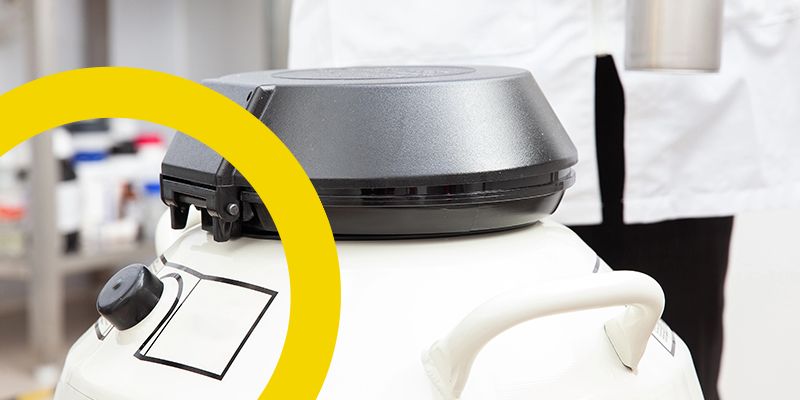
Donor sperm shipping is the process of transporting frozen semen vials or straws from a sperm bank to their destination while keeping them at cryogenic temperature the entire way. Samples are frozen in liquid nitrogen at the bank, loaded into a specialized cryogenic shipping container called a dry shipper, and sent by expedited courier to a clinic or directly to the recipient.
Unlike shipping a regular package, this isn’t just about speed. The container has to maintain a temperature well below −150°C for the full duration of transit, or the sample can be damaged before it ever reaches its destination. That’s why donor sperm shipping is handled by couriers and logistics providers experienced specifically in cryogenic transport, not standard overnight carriers.
Bank–to–Clinic vs. Bank–to–Home Shipping
Sperm banks generally offer two shipping paths, and the right one depends on how you plan to use the sample. Bank–to–clinic shipping sends vials directly to your fertility clinic, where staff confirm the sample count against the paperwork and store it properly until your treatment cycle. This path is required for IVF and most physician–supervised IUI, since clinics need to prepare the sample with specific washing and processing protocols.
Bank–to–home shipping, used for at–home insemination, sends the dry shipper straight to the recipient’s address. Most banks require a signed clinic release form before allowing this, plus confirmation that someone will be present to receive and use the sample within the shipper’s safe holding window. Home shipments also typically involve a refundable deposit for the container, since the empty shipper must be returned afterward. Either way, timing the shipment to your ovulation window matters: vials generally need to be used within a few days of arrival, not stored indefinitely in the container itself.
Packing and Transit: What Actually Happens in the Box
Before a single vial is packed, the dry shipper is charged with liquid nitrogen and left to absorb it fully, usually for about 24 hours, so no free liquid remains inside. Vials or straws are then loaded into labeled canisters within the shipper, along with paperwork confirming donor ID, vial count, and chain–of–custody documentation. Once sealed, the shipper goes into an outer box with cushioning and clear handling labels, then ships via a carrier equipped for cryogenic shipments, typically priority overnight or two–day air freight.
A properly charged shipper holds safe temperature for several days, giving a buffer against minor delays, though shipments are still scheduled to land as close to the intended use date as possible. On arrival, the recipient or clinic should inspect the shipper right away: confirm it feels appropriately cold, check the vial count against the paperwork, and store the sample per the bank’s instructions rather than letting it sit unopened.
International Donor Sperm Shipping
Shipping donor sperm across borders adds a legal and regulatory layer on top of the logistics. Many countries restrict or regulate the import of donor gametes, requiring import permits, proof of donor screening compliant with local health authority standards, or documentation confirming the donor’s anonymity status, since some countries only permit identity–disclosed donors. Because of this, most banks handle international shipments as custom quotes rather than standard checkout options, and require the recipient or clinic to confirm import requirements in advance.
Customs delays are also more common on international routes, which makes a shipper experienced in cross–border cryogenic logistics, one that pre–clears export and import paperwork, worth choosing over a general courier.
Cost of Shipping Donor Sperm
Shipping costs vary by distance, speed, and destination, and are billed separately from the vials themselves. Domestic bank–to–home or bank–to–clinic shipping in the US commonly runs roughly $150 to $300 depending on speed, with overnight service priced above standard delivery. Home shipments often add a refundable dry–shipper deposit, charged as a penalty if the container isn’t returned in time. International shipments cost more and are usually quoted individually, factoring in distance, customs handling, and required import documentation. When budgeting, it’s worth requesting a full breakdown of vial cost, shipping fee, and any container deposit up front, since these are typically billed as separate line items.
Frequently Asked Questions
1. How long does a shipment stay frozen in transit?
A properly charged dry shipper typically holds safe cryogenic temperature for several days, though the exact window depends on the specific container and how full it was when charged.
2. Can I ship donor sperm to my home instead of a clinic?
Yes, in most cases, though banks usually require a signed clinic release form and confirmation that someone will be available to receive and use the sample promptly.
3. What happens if my shipment is delayed?
A well–charged shipper is built with a buffer for minor delays, but significant delays should be reported to the bank or shipping provider immediately so they can advise on sample viability.
4. Do I need special permission to ship donor sperm internationally?
Almost always. Most destination countries require import documentation, and some restrict donor anonymity status, so international orders are typically arranged as custom shipments rather than standard checkout purchases.
5. Is the shipping container reusable?
Yes. Dry shippers are returned to the bank after use, which is why many home shipments include a refundable deposit tied to the container’s return.